
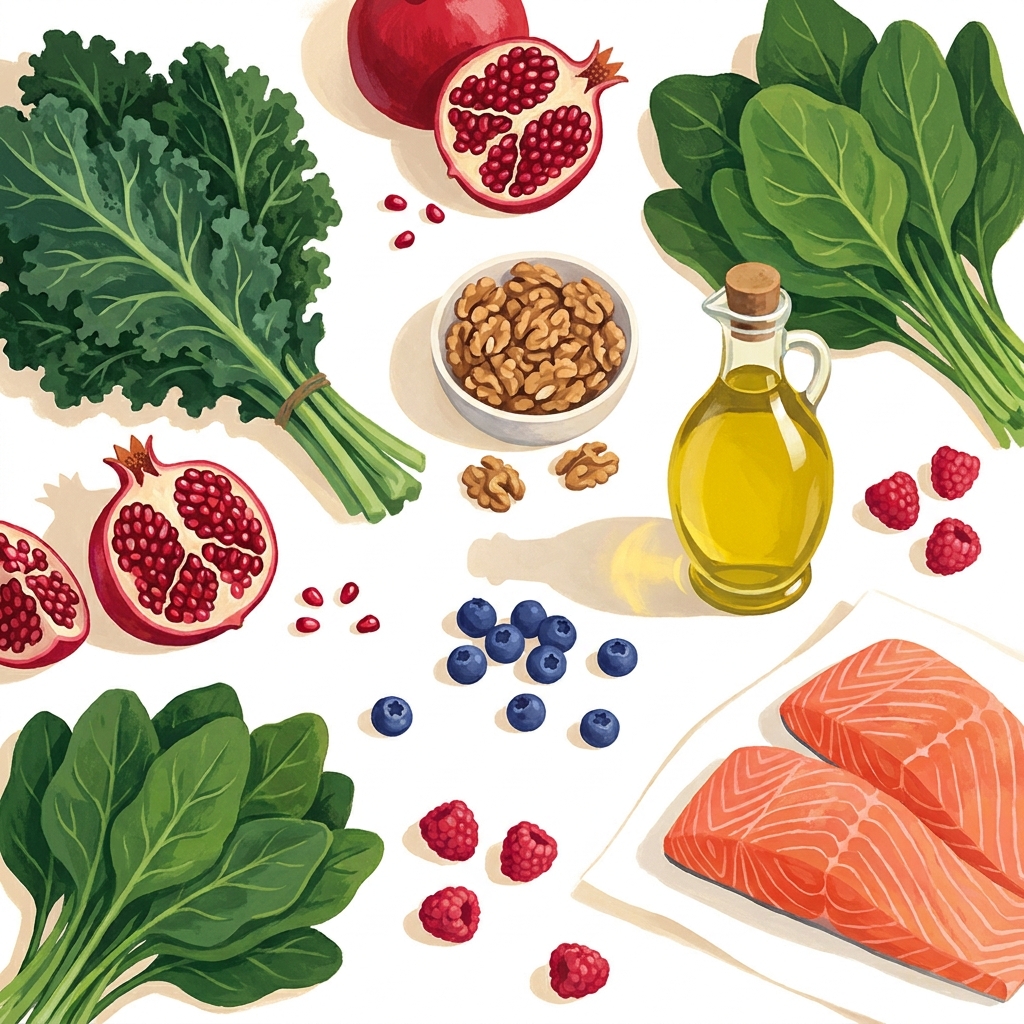
Foods That Help With ED: Ranked by Strength of Evidence
By 2025, an estimated 322 million men worldwide were affected by erectile dysfunction, up from 152 million in 1995. That is an increase of nearly 170 million men in a single generation. In the United States, roughly 1 in 4 men has experienced ED. Yet despite these staggering numbers, most men quietly accept the problem as inevitable: a natural byproduct of stress, age, or a busy life.
The internet is flooded with lists of “ED-fighting foods.” Most repeat the same dozen items with breathless enthusiasm and little scrutiny. This article does something different: every food here is ranked by the actual quality of the evidence behind it, not by marketing energy. Readers will learn which foods have genuine clinical backing, which are promising but overhyped, and which popular claims (coffee, notably) have been challenged by newer, stronger research in 2024.
One honest caveat up front: diet is a meaningful but limited tool. It is one piece of a larger puzzle, and there are medical options that many high-functioning men simply do not realize exist. This article is written for men who take their health seriously, want evidence, and are tired of vague wellness advice.
Why Food Affects Erections: The Biochemical Pathway Explained
An erection is, at its core, a vascular event. Blood must flow into the penis and stay there. Everything else is downstream of that simple fact.
The pathway works as follows. Certain dietary compounds (L-citrulline or dietary nitrates) are converted into L-arginine, which fuels the synthesis of nitric oxide (NO). Nitric oxide triggers the production of cyclic GMP (cGMP), which relaxes the smooth muscle in penile arteries. That relaxation causes vasodilation, blood floods in, and an erection follows.
This is the exact pathway that PDE5 inhibitor drugs like Viagra target. The difference: those drugs work downstream by preventing cGMP breakdown, not by creating more nitric oxide in the first place. Food works upstream, supporting the raw production of NO.
The foundation of all this is the endothelium, the inner lining of the blood vessels where nitric oxide is produced. Chronic inflammation, oxidative stress, and a poor diet damage the endothelium and choke off NO output. This is also why ED is increasingly recognized as an early warning sign of systemic endothelial dysfunction and cardiovascular disease. The NIDDK confirms a healthy diet can lower the risk of developing ED, and the American Urological Association similarly recognizes that dietary patterns positively affect erectile function.
This article sorts foods into three tiers: Tier 1 (Strong Evidence), Tier 2 (Moderate Evidence), and Tier 3 (Emerging or Limited Evidence).
Tier 1: Foods With the Strongest Evidence for ED
These foods are backed by multiple studies, meta-analyses, or randomized controlled trials with consistent findings. A note on standards: even the “strongest” dietary evidence is largely observational or small-scale clinical data, not the pharmaceutical trial standard. These represent the best available evidence.
Flavonoid-Rich Fruits (Berries, Citrus, Apples, Pears)
The American Journal of Clinical Nutrition flavonoid study found that men in the highest quintile of flavanone, flavone, and anthocyanin intake had a 9 to 11% lower incidence of ED. To put that in perspective, the effect size is comparable to 2 to 5 hours of brisk walking per week, which is clinically meaningful.
The mechanism: flavonoids (especially anthocyanins in blueberries and strawberries, and flavanones in citrus) protect nitric oxide from oxidative destruction and improve endothelial function. There is also a gut microbiome angle. Gut bacteria metabolize polyphenols into bioactive compounds, such as urolithins from the ellagitannins found in berries and pomegranates, which have anti-inflammatory effects that support vascular health.
Cleveland Clinic research notes men who regularly eat antioxidant-rich fruit are 19% less likely to experience ED. This aligns with the 2020 JAMA Network Open cohort study of 21,469 men, which linked higher diet quality (including fruit intake) to lower ED risk.
Practical guidance: Aim for 2 to 3 servings of mixed berries, citrus, or apples daily. A cup of blueberries (about 150g) or a large orange delivers a meaningful flavonoid dose.
Leafy Greens (Arugula, Spinach, Lettuce, Radish)
Leafy greens are among the richest dietary sources of inorganic nitrates. Oral bacteria convert these nitrates to nitrite and then to nitric oxide, a separate but complementary pathway to the L-citrulline route. This matters especially for men with reduced eNOS (endothelial nitric oxide synthase) activity, such as those with diabetes or cardiovascular disease.
The benefits are directly relevant to erectile physiology: reduced blood pressure, lower inflammation, and improved endothelial function. Leafy greens are also a cornerstone of the Mediterranean dietary pattern, and the 2025 Asian Journal of Andrology meta-analysis of 27 studies and 27,389 participants found plant-based diets significantly reduced ED risk (OR=0.71).
Practical guidance: 2 cups of raw arugula or spinach daily provides roughly 100 to 200mg of dietary nitrates. Cooking reduces nitrate content, so raw or lightly cooked preparations are preferable.
Nuts (Pistachios and Mixed Nuts)
A 2011 pistachio study in the International Journal of Impotence Research found that 17 men with ED who ate 100g of pistachios daily for 3 weeks showed significant improvement in IIEF-15 scores (from 36±7.5 to 54.2±4.9, P=0.001) and better cholesterol, with no side effects.
Honesty demands a flag: that study had no control group, so a placebo effect cannot be ruled out. That is precisely why nuts sit at the top of Tier 1 rather than being treated as definitive proof. The FERTINUTS randomized controlled trial reinforces the case: 60g of mixed nuts daily for 14 weeks improved erectile and sexual function in healthy males, with measurable gains in nitric oxide and E-selectin levels. That was an RCT, a higher evidence standard.
The mechanism: nuts are rich in L-arginine (the direct precursor to NO), antioxidants like vitamin E, and healthy fats that support endothelial function and lower LDL cholesterol. Walnuts specifically provide alpha-linolenic acid (ALA), an omega-3 precursor with anti-inflammatory benefits.
Practical guidance: 60 to 100g of unsalted mixed nuts or pistachios daily, roughly a large handful. Factor in the caloric density (about 600 kcal per 100g).
Tier 2: Foods With Moderate Evidence for ED
These foods have a plausible, well-understood mechanism and some supporting data, but the evidence is less consistent, the studies are smaller, or the effect has not been directly tested in large ED-specific trials. They are worth eating for vascular health, with realistic expectations.
Watermelon (L-Citrulline Source)
Watermelon contains L-citrulline, converted to L-arginine in the kidneys, which then fuels nitric oxide synthesis. A 2025 ScienceDirect study examined L-citrulline’s PDE5-inhibitory mechanism, and clinical research shows L-citrulline raises serum L-arginine more efficiently than L-arginine supplementation alone.
The honest dosing gap is worth noting: a typical 300g serving of watermelon provides only 750mg to 1g of citrulline, while supplement studies showing modest improvements in erection hardness used 1.5 to 3g daily. A man would need to eat 450 to 900g of watermelon daily to approach those doses. The verdict: watermelon is a healthy, low-calorie food with the right mechanism, but food-form intake is unlikely to match supplement effects. For men targeting this pathway specifically, L-citrulline supplements (1.5 to 3g daily) are more practical and low-risk.
Fatty Fish (Salmon, Mackerel, Sardines, Tuna)
Omega-3 fatty acids (EPA and DHA) work through multiple pathways: reducing systemic inflammation, improving endothelial function, lowering triglycerides, reducing platelet aggregation, and supporting testosterone production. Because ED is an early marker of cardiovascular disease, foods that robustly support heart health carry strong indirect evidence for ED prevention.
No large RCTs have directly tested fatty fish as an ED treatment, so the evidence remains mechanistic and observational. The 2025 Journal of Nutrition narrative review confirms whole anti-inflammatory foods show promising evidence for reducing ED risk through vascular mechanisms.
Practical guidance: 2 to 3 servings per week (about 140g each), grilled, baked, or poached. Canned sardines and mackerel are cost-effective, high-omega-3 options with lower mercury risk than larger fish.
Pomegranate Juice
A 2007 RCT of 53 men with mild-to-moderate ED showed a trend toward improvement with pomegranate juice versus placebo, but the result did not reach statistical significance (P=0.058). That P-value means there is a 5.8% chance the result was random, just above the conventional 5% threshold. It is a promising signal, not proof.
The mechanism involves ellagitannins metabolized into anti-inflammatory urolithins and protection of nitric oxide from oxidative destruction. Notably, urolithin production varies between individuals based on gut microbiome composition, which may explain why some men respond and others do not.
Practical guidance: 240ml (8oz) of 100% pomegranate juice daily, as used in the RCT. Note the sugar content (about 35g per 240ml); diabetic men should account for this. Whole arils provide fiber that juice lacks.
Dark Chocolate (70%+ Cocoa)
Cocoa flavanols stimulate nitric oxide production and improve endothelial-dependent vasodilation. The European Food Safety Authority officially recognizes that 200mg of cocoa flavanols daily helps maintain normal endothelium-dependent vasodilation. However, no large-scale RCT has tested dark chocolate specifically for ED; the evidence is mechanistic and cardiovascular.
Practical guidance: 20 to 30g of 70%+ cocoa chocolate provides roughly 200mg of flavanols (about 170 calories and 5 to 8g of sugar). Milk chocolate does not deliver the same benefit. Unsweetened cocoa powder in smoothies is a lower-calorie alternative.
Oysters and Zinc-Rich Shellfish
Oysters are among the richest sources of zinc, essential for testosterone biosynthesis. Zinc deficiency is linked to reduced testosterone, low libido, and ED. Important nuance: zinc corrects deficiency-related decline but does not raise testosterone above normal in men who are already zinc-sufficient. The benefit is most relevant for men with poor dietary zinc intake.
Practical guidance: 6 medium oysters provide about 32mg of zinc, more than double the 11mg daily recommendation for men. Crab, lobster, beef, and pumpkin seeds are alternatives. Raw oysters carry a Vibrio risk; men with liver disease or compromised immunity should choose cooked preparations.
Tier 3: Emerging or Limited Evidence — Promising but Overhyped
These foods have plausible mechanisms and some preliminary data, but the evidence is too preliminary, small, or indirect for strong claims. “Limited evidence” does not mean “does not work.” It means the certainty is not yet there. These foods are worth including in the diet, but should not be relied upon as primary interventions.
Beet Juice (Dietary Nitrates)
Beet juice is exceptionally high in dietary nitrates, converting to nitric oxide via the same salivary-bacterial pathway as leafy greens. A study of 38 adults found beetroot juice improved nitric oxide values by 21%. No large-scale trial has tested it for ED directly, though it is well-studied for exercise performance via NO-mediated vasodilation.
Practical guidance: 250 to 500ml daily, or 2 to 3 whole beets. Expect beeturia (harmless pink urine or stool).
Garlic and Onions (Allicin)
Garlic contains allicin, a sulfur compound with vasodilatory and anti-inflammatory properties. Allicin inhibits ACE similarly to certain blood pressure medications and may reduce arterial stiffness. The cardiovascular benefits are reasonably documented; direct ED trials are lacking.
Practical guidance: 1 to 2 cloves of raw or lightly cooked garlic daily. Allicin activates upon crushing and degrades with high heat. Onions contribute quercetin, a flavonoid with similar benefits.
The Coffee Myth: What the 2024 Research Actually Shows
A widely cited NHANES-based study found men consuming 170 to 375mg of caffeine daily (2 to 3 cups of coffee) were 39 to 42% less likely to report ED. The mechanism seemed plausible: caffeine is a weak phosphodiesterase inhibitor and a vasodilator.
Then came the update. A 2024 Mendelian randomization study in Frontiers in Endocrinology found no causal genetic association between coffee or caffeine consumption and ED risk. Mendelian randomization uses genetic variants as a natural experiment to test true causality, eliminating many confounders that plague observational studies.
The likely explanation: coffee drinkers may simply be more health-conscious, more active, and less likely to smoke. Coffee was receiving credit for the lifestyle it was associated with, not for any direct effect. The verdict: coffee is not an evidence-based ED intervention. Men may enjoy it freely, but should not treat it as a strategy.
Foods That Actively Worsen ED: What to Reduce or Avoid
Avoiding harm matters as much as adding benefit.
- Alcohol: Chronic heavy drinking lowers testosterone, damages peripheral nerves, and causes endothelial dysfunction. Even acute intoxication impairs erectile response.
- Sugary drinks and ultra-processed foods: Drive insulin resistance, obesity, and inflammation. Two-thirds of men with diabetes experience ED.
- Saturated and trans fats: Promote endothelial dysfunction, raise LDL, and accelerate atherosclerosis.
- Full-fat dairy (in excess): May negatively affect testosterone, though evidence is mixed.
- Soy (very high amounts): Phytoestrogens may affect hormonal balance at extreme intake; moderate consumption is fine.
- Licorice (glycyrrhizin): Documented to lower testosterone in regular consumers.
The 2025 Asian Journal of Andrology meta-analysis found low-fat diets had the strongest association with reduced ED risk (OR=0.27). The Western dietary pattern is essentially an ED-promoting diet; the Mediterranean pattern is the evidence-backed alternative.
The Evidence-Based Dietary Pattern for ED: What a Day of Eating Looks Like
Individual foods matter less than the overall pattern. The framework below is Mediterranean-adjacent, grounded in the JAMA Network Open study and the Asian Journal of Andrology meta-analysis.
Sample Day of Eating for Vascular and Erectile Health
- Breakfast: Greek yogurt with 1 cup mixed berries and a tablespoon of unsweetened cocoa powder.
- Mid-morning: A small handful (30g) of mixed nuts (pistachios, walnuts, almonds).
- Lunch: Large salad of 2 cups arugula and spinach topped with canned sardines or grilled salmon (140g), olive oil and lemon dressing, and pomegranate arils.
- Afternoon: 240ml of 100% pomegranate juice or a cup of watermelon (300g).
- Dinner: Grilled mackerel with roasted beets and sautéed garlic spinach.
- Optional: 20 to 30g of 85% dark chocolate.
This day avoids sugary drinks, fried foods, processed meats, and refined carbohydrates. It requires planning and may represent a significant shift for many men, but the vascular benefit extends far beyond erectile function to cardiovascular longevity.
Food vs. Supplements: An Honest Comparison
Whether a man should eat these foods or take supplements depends on the compound.
- L-citrulline: Supplements (1.5 to 3g daily) deliver studied doses that watermelon alone cannot match. More practical for targeting the NO pathway, though supplements lack whole-food co-nutrients.
- Flavonoids: Whole food (berries, citrus) is preferable; synergistic effects exceed those of isolated compounds.
- Pomegranate: Juice provides the studied dose; extract offers concentrated ellagitannins with less sugar.
- Omega-3s: Fish oil (1 to 2g EPA+DHA daily) is a validated alternative for non-fish eaters.
- Zinc: Supplement only for confirmed or suspected deficiency; excess impairs copper absorption.
The overall principle: whole food first, targeted supplementation second. No supplement has been FDA-approved to treat ED. Men seeking reliable results need to look beyond the supplement aisle.
The Honest Limits of Dietary Intervention for ED
Diet is meaningful but limited. It works best as prevention and as an adjunct, not as a standalone cure for established ED. A Mediterranean-pattern diet is associated with lower risk of developing ED, but for men who already have moderate-to-severe ED, diet alone is unlikely to restore full function.
Established ED often involves structural vascular changes, nerve damage (common in diabetic men), hormonal factors, or psychological components that flavonoids and nitrates cannot reverse. Performance anxiety, common among high-functioning professionals, responds to no food at all. With 322 million men affected worldwide, the scale of the problem dwarfs what dietary change alone can address. Eating well is necessary but not sufficient.
Conclusion: Diet Is the Foundation, Not the Ceiling
The hierarchy is clear. Tier 1 foods (flavonoid-rich fruits, leafy greens, nuts) form the foundation. Tier 2 foods (watermelon, fatty fish, pomegranate, dark chocolate, oysters) add meaningful vascular support. Tier 3 foods (beet juice, garlic) are healthy additions with emerging evidence. The 2024 coffee correction is a reminder that popular claims require ongoing scrutiny.
Every food discussed here works through the same fundamental pathway: supporting nitric oxide production and protecting vascular endothelial health. Understanding that mechanism helps men make smarter choices than any single list can provide. ED is a vascular disease signal, and the same health that governs erections governs cardiovascular longevity. For men with persistent ED, especially those who have quietly normalized it as part of aging, the conversation should not stop at the grocery store.
Beyond Diet: What High-Functioning Men With ED Should Know
Men in their 30s, 40s, and 50s who are professionally successful and health-conscious often assume their only options are pills or surgery. Many have quietly accepted ED as inevitable without realizing the range of evidence-based solutions available today.
Stoller Medical Group, operating as Penis Enlargement New York City, is a resource for men who want to explore non-surgical, medically supervised options beyond diet. Led by Dr. Roy B. Stoller, a board-certified physician with over 25 years of experience, the practice has performed more than 15,000 procedures.
Their non-surgical approach uses Belefil®, a hyaluronic acid-based dermal filler, in an outpatient procedure completed in under one hour, with a 10-day recovery period and results that are 80 to 90% permanent. That is a meaningfully different risk profile from surgical alternatives. Free consultations are available for men who want information without commitment.
On pricing: procedures start at $7,500, with cost varying based on individual goals and the number of syringes used. Most men begin with a minimum of 10 syringes, and the average first procedure involves approximately 15 syringes.
Locations include Manhattan (515 Madison Avenue), Long Island (Jericho), Albany (Latham), Pennsylvania (Chadds Ford), and Minnesota (Eagan), making the practice accessible across the Northeast and Midwest. Men ready to move beyond dietary strategies and explore what is genuinely possible can schedule a confidential consultation with a qualified specialist.