
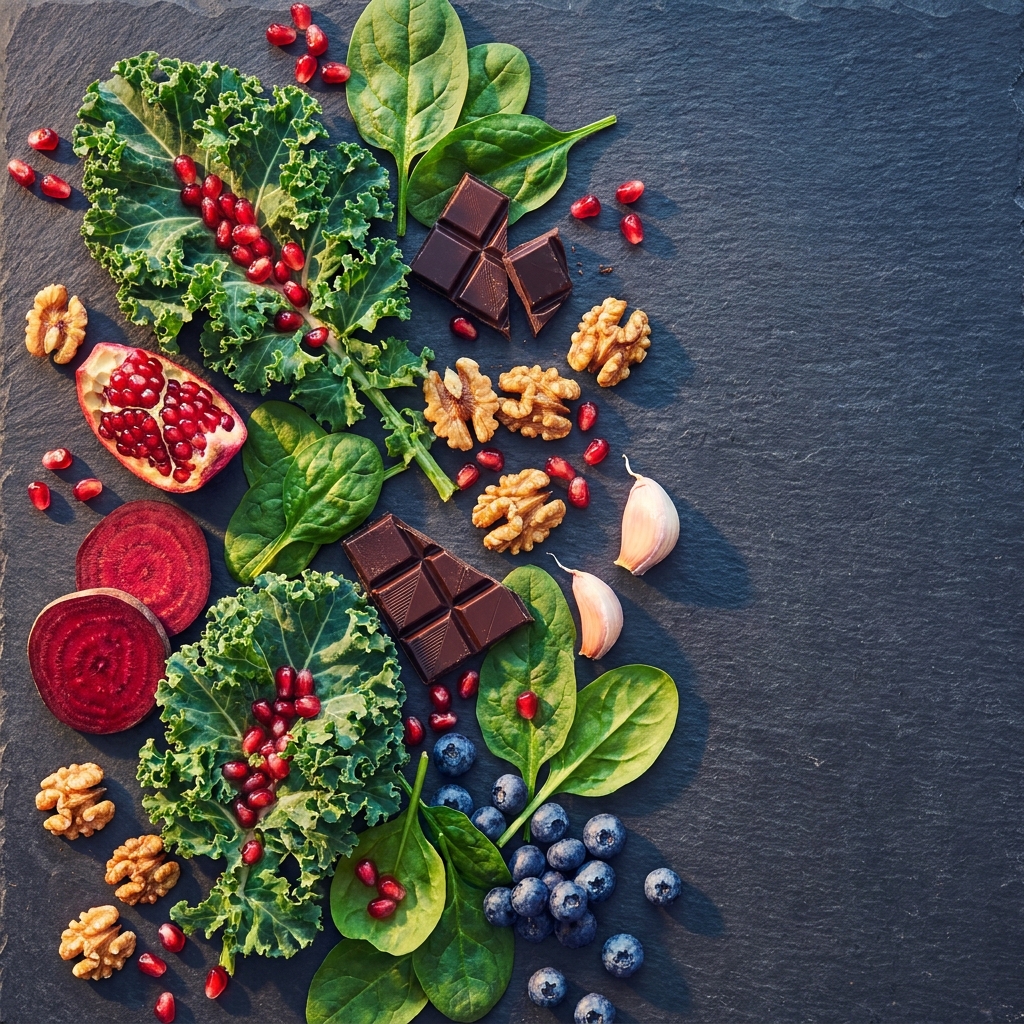
Food to Eat for Better Erection: The Mechanism-First Guide
Introduction: Your Erection Is a Vascular Report Card
An erection is not a bedroom metric. It is a real-time readout of cardiovascular and endothelial health. As Harvard’s Eric Rimm has noted, “erectile dysfunction is often an early barometer of poor vascular function.” That reframe matters, because it turns a topic most men treat as private and performance-based into something far more useful: a diagnostic signal and an optimization target.
The scale is worth acknowledging without alarm. Roughly 30 million U.S. men are affected by erectile difficulty, and prevalence begins at 26% even among men aged 18 to 34, according to a 2025 population-based survey. This is not exclusively an older man’s issue.
The central thesis of this guide is simple: the foods a man eats directly regulate the biological machinery behind erection quality, including nitric oxide production, vascular tone, testosterone levels, and inflammation. The science is now specific enough to be genuinely actionable.
This article is organized by mechanism, not by food list, so the reader understands why each food matters, not just what to eat. One realistic expectation up front: dietary changes work over weeks to months. This is a performance investment, not a quick fix.
The Biology of an Erection: Why Mechanism Matters Before Menu
At its core, an erection follows a precise vascular cascade. Sexual arousal triggers the release of nitric oxide (NO) from the endothelial cells lining penile blood vessels. NO activates an enzyme called guanylate cyclase, which increases cGMP. That cGMP accumulation relaxes the smooth muscle in the corpus cavernosum, arteries dilate, blood floods the erectile chambers, and an erection occurs.
The key insight: an erection is fundamentally a vascular event. Any dietary factor that impairs NO production, damages endothelial cells, raises inflammation, or reduces testosterone will degrade erection quality upstream, long before it becomes a bedroom problem.
This guide covers four dietary mechanisms:
- Nitric oxide production and the NO pathway
- Testosterone support and hormonal balance
- Anti-inflammatory protection of blood vessels
- Antioxidant defense of endothelial function
There is also the penis-heart connection. The same vascular conditions that cause erectile dysfunction, including endothelial dysfunction, atherosclerosis, and hypertension, are precursors to heart disease. Optimizing diet for erection quality simultaneously optimizes for cardiovascular longevity. A 2025 meta-analysis in the Asian Journal of Andrology found that combined diet and exercise interventions decreased the likelihood of ED by 51% (OR = 0.49). Diet is a clinically validated lever, not folk wisdom.
Mechanism 1: Nitric Oxide Production — The Primary Erection Switch
NO is synthesized two ways: enzymatically via endothelial nitric oxide synthase (eNOS) using L-arginine as substrate, and non-enzymatically through the dietary nitrate-to-nitrite-to-NO pathway. Both are targetable through food.
The dose-and-frequency data is compelling. A Harvard study of more than 50,000 men found that those eating just three to four weekly portions of flavonoid-rich foods were 10% less likely to develop ED. Combining flavonoid-rich foods with regular exercise pushed that reduction to 21%. Notably, a flavonoid-rich diet was found to be as beneficial for erectile function as briskly walking up to five hours per week, a striking data point for men who prefer dietary interventions.
Nitrate-Rich Vegetables: The Direct NO Delivery System
The dietary nitrate pathway works as follows: nitrate (NO3) in vegetables is converted to nitrite (NO2) by oral bacteria, then further reduced to nitric oxide in the acidic stomach environment and bloodstream.
Key foods include spinach, arugula (one of the highest dietary nitrate concentrations among leafy greens), kale, and beets. Beetroot juice supplementation improved nitric oxide metabolites by 21% in one small clinical study, making it a concentrated option.
Two practical notes apply here. First, raw or lightly cooked preparation preserves nitrate content. Second, men should avoid antibacterial mouthwash before consuming nitrate-rich foods, because it kills the oral bacteria needed for the conversion. There is a bonus mechanism as well: spinach and leafy greens are rich in folate (vitamin B9), and low blood folate levels have been independently linked to erectile dysfunction.
Watermelon and the L-Citrulline Pathway: The Kidney Conversion Advantage
L-citrulline is an underappreciated NO precursor found abundantly in watermelon, particularly the rind. Its advantage lies in the kidney-conversion pathway: L-citrulline is converted to L-arginine in the kidney, bypassing hepatic first-pass metabolism. This is why L-citrulline raises plasma L-arginine levels more efficiently than supplementing L-arginine directly, with plasma L-arginine rising 40 to 50% within one to two hours.
A clinical trial published in Urology found that 1.5 g/day of L-citrulline for one month improved erection hardness scores in 50% of men with mild ED, versus 8.3% on placebo. A 2025 mechanistic study further showed that citrulline stimulates the same NO-cGMP pathway targeted by pharmaceutical PDE5 inhibitors, giving this food-derived compound genuine biochemical credibility. The white rind holds the highest citrulline content, though the flesh contains meaningful amounts as well, plus lycopene as a bonus co-nutrient.
Flavonoid-Rich Berries and Citrus: The Harvard Study’s Star Performers
The most protective flavonoid subtypes are anthocyanins (found in blueberries, cherries, blackberries, and blackcurrants) and flavanones and flavones (found in oranges, grapefruit, and lemons). These compounds enhance eNOS activity, improve endothelial function, reduce the oxidative stress that degrades NO, and improve blood vessel elasticity.
The dose threshold is achievable: three to four weekly portions, not daily consumption, with the greatest benefit seen in men under 70. Total fruit intake alone was linked to a 14% reduction in ED risk, reinforcing that the whole dietary pattern matters. Dark chocolate earns an honorable mention here: high-cocoa varieties (70%+ cocoa) contain flavanols that increase NO production, improve blood flow, and lower blood pressure.
Mechanism 2: Testosterone Support — The Hormonal Foundation
While erections are primarily vascular, testosterone is the hormonal signal that primes libido, supports eNOS activity, and maintains the sensitivity of penile smooth muscle to NO signaling. Low testosterone does not just reduce desire; it impairs the vascular machinery itself. For the optimization-minded man, this is not about treating hypogonadism. It is about maintaining the hormonal environment in which vascular performance can peak.
Oysters and Zinc-Rich Shellfish: The Testosterone Mineral
Zinc is a critical cofactor for testosterone synthesis. Even minor zinc deficiencies can measurably lower testosterone, contributing to reduced libido and erectile difficulty. Oysters are the single richest dietary source of zinc, far exceeding beef, pumpkin seeds, or fortified cereals per serving. They also contain d-aspartic acid, an amino acid that may support testosterone synthesis by stimulating luteinizing hormone release from the pituitary.
Other zinc-rich shellfish include mussels, crab, and lobster. Zinc from animal sources (heme zinc) has higher bioavailability than plant-based zinc, so men on plant-based diets should monitor intake carefully.
Fatty Fish and Omega-3s: The Multi-Mechanism Performer
Omega-3 fatty acids (EPA and DHA) work across multiple mechanisms simultaneously: they boost NO production, reduce blood pressure, lower systemic inflammation, support testosterone production, and improve endothelial function. The best sources, ranked by omega-3 density, are salmon, mackerel, sardines, and herring.
The testosterone connection is direct: omega-3s support Leydig cell function in the testes, where testosterone is produced, and the chronic inflammation they reduce is a known suppressor of testosterone synthesis. Two to three servings per week is the standard cardiovascular recommendation, and it supports erectile health through the same vascular pathways. There is a synergy worth noting: salmon over arugula combines NO pathway support, testosterone support, and anti-inflammatory protection in a single meal.
Avocados: Vitamin E, Zinc, and Heart-Healthy Fats
Avocados deliver a relevant trifecta: vitamin E (antioxidant protection of endothelial cells), zinc (testosterone support), and monounsaturated fats (cardiovascular health and cholesterol management). A 2022 study found that eating two servings of avocado per week was associated with a 21% reduction in coronary heart disease risk, a finding directly relevant through the penis-heart connection. Their monounsaturated fats support HDL cholesterol and reduce LDL oxidation, both protective of arterial health. As an additional benefit, avocado’s fat content enhances absorption of fat-soluble nutrients like lycopene from tomatoes.
Mechanism 3: Anti-Inflammatory Protection — Preserving the Vascular Architecture
Chronic low-grade inflammation is the silent enemy of erection quality. It damages endothelial cells, reduces eNOS activity, increases the oxidative stress that degrades NO, promotes arterial stiffness, and contributes to atherosclerotic plaque, all of which restrict penile blood flow.
This is a particular concern for men in their 30s and 40s eating processed Western diets, who may be accumulating inflammatory vascular damage years before it becomes clinically apparent. Anti-inflammatory dietary choices are a form of vascular insurance. The evidence is strong: in men with metabolic syndrome, a Mediterranean diet improved IIEF scores from 14.4 to 18.1 over two years (Esposito et al.), and a 2025 Scientific Reports RCT confirmed the Mediterranean diet significantly improved IIEF total scores and the erectile function subscale (P ≤ 0.001).
The Mediterranean Diet Framework: The Best-Evidenced Dietary Pattern
The Mediterranean diet’s core components relevant to erectile health include olive oil as the primary fat, fatty fish two to three times weekly, abundant vegetables and legumes, whole grains, nuts, moderate red wine, and minimal processed foods and red meat.
Mechanistically, it works because high polyphenol content reduces oxidative stress, omega-3s lower inflammation, fiber improves insulin sensitivity, and olive oil’s oleocanthal has ibuprofen-like anti-inflammatory properties. The National Institute of Diabetes and Digestive and Kidney Diseases (NIDDK) explicitly identifies the Mediterranean diet as reducing the chance of developing ED, and a 2026 Frontiers in Nutrition systematic review confirmed significant erectile function improvement in Mediterranean diet groups versus controls. The most practical implementation is not as a rigid diet but as a scoring system: how many Mediterranean-aligned choices can a man make in a given week?
Nuts: L-Arginine, Omega-3s, and Vascular Synergy
Nuts provide a concentrated package of erection-supporting nutrients: L-arginine (a direct NO precursor), omega-3 fatty acids, folic acid, and vitamin E. A 2019 study found regular nut consumption improved erectile and sexual function scores, and a 2020 study associated nuts and legumes with lower ED risk.
Best choices include walnuts (highest omega-3 content among nuts), almonds (vitamin E), and pistachios (L-arginine density). A small handful (roughly 30g) daily is the standard cardiovascular threshold and applies here as well. Nuts also support testosterone through their zinc and healthy fat content, making them another multi-mechanism food.
Mechanism 4: Antioxidant Defense — Protecting the NO You Produce
The body produces reactive oxygen species (ROS) that chemically react with and destroy nitric oxide before it reaches smooth muscle cells, a process called NO scavenging. A diet high in antioxidants neutralizes ROS and preserves NO bioavailability. If mechanisms one through three are about producing and supporting the right biological conditions, mechanism four is about protecting what has been built. Key nutrients here include lycopene, vitamin C, vitamin E, polyphenols, and resveratrol.
Lycopene-Rich Foods: The Endothelial Protector
Lycopene is a carotenoid antioxidant that regulates NO availability, improves endothelial function, and reduces triglycerides, a direct trifecta for erectile health. Studies show lower dietary lycopene intake is positively associated with increased ED risk in U.S. men.
The best sources are cooked tomatoes (lycopene bioavailability is significantly higher in cooked or processed tomatoes than raw), watermelon, pink grapefruit, and guava. A critical absorption note: lycopene is fat-soluble, so absorption increases dramatically when eaten with healthy fats like olive oil. This is precisely why tomato-based dishes cooked in olive oil, a staple of Mediterranean cuisine, are so effective. Practical examples include tomato sauce, roasted tomatoes with olive oil, or a watermelon and feta salad with an olive oil drizzle.
The Worst Foods for Erection Quality: The Counterbalance Your Diet Needs
Optimizing the foods a man adds is only half the equation. The foods he removes or reduces can have an equal or greater impact on vascular health and NO bioavailability.
Processed Meats and Saturated Fat: Vascular Damage Over Time
High saturated fat intake promotes LDL oxidation and atherosclerotic plaque formation in arterial walls, including the small penile arteries that are among the first to show vascular disease. Processed meats such as bacon, sausage, and deli meats combine saturated fat with high sodium, a dual hit to blood pressure and arterial health. The penis-heart connection runs in reverse here: the same dietary pattern that causes coronary artery disease causes penile artery disease, often years earlier due to the smaller diameter of penile vasculature.
Refined Carbohydrates and Added Sugars: The Insulin Resistance Pathway
Refined carbohydrates and added sugars cause blood glucose spikes, leading to chronic hyperglycemia, insulin resistance, endothelial dysfunction, reduced eNOS activity, and impaired NO production. Insulin resistance is one of the strongest independent predictors of ED, and it is largely diet-driven. Added sugars also promote systemic inflammation and triglyceride elevation. The primary culprits are white bread, pastries, sugary drinks, and ultra-processed snacks. Replacing these with whole grains and fiber-rich foods improves insulin sensitivity and vascular function over time.
Fried Foods and Trans Fats: The Inflammation Amplifiers
Trans fats found in fried foods and many ultra-processed products are among the most pro-inflammatory dietary compounds, directly damaging endothelial cells and reducing NO bioavailability. Fried foods are also high in advanced glycation end-products (AGEs), which stiffen arterial walls. Even where trans fats have been largely removed from restaurant oils, the high-heat frying process itself generates oxidative compounds that burden the antioxidant system.
Excess Alcohol: The Testosterone and Vascular Double Hit
In one study, 72% of alcohol-dependent men experienced sexual dysfunction, making chronic heavy drinking one of the most potent dietary risk factors for erectile impairment. Chronic alcohol excess suppresses testosterone production, damages liver function that regulates hormone metabolism, increases estrogen conversion, and impairs the neurological and vascular pathways required for erection. The nuance worth noting: moderate red wine (one to two glasses) contributed flavonoid benefits in the Harvard study. The dose makes the difference. Consistently exceeding roughly 14 units per week is where meaningful vascular and hormonal damage accumulates.
How Quickly Can Diet Improve Erection Quality? A Realistic Timeline
- Short-term (days to weeks): Acute NO pathway effects from nitrate-rich foods and L-citrulline can improve blood flow markers within hours to days. Beetroot juice studies show measurable NO metabolite increases within two to three hours of consumption.
- Medium-term (4 to 8 weeks): The L-citrulline clinical trial showed meaningful improvement in erection hardness after one month of consistency. Dietary consistency over this window begins to improve endothelial function markers.
- Long-term (3 to 24 months): The Mediterranean diet IIEF improvement was measured over two years. Structural vascular improvements, including reduced arterial stiffness and inflammatory burden, take months to accumulate.
The key message: diet is not a rescue intervention. It is a sustained investment in vascular architecture, and it remains an adjunct, not a replacement, for medical evaluation in men with clinical ED.
Putting It Together: A Mechanism-Mapped Weekly Eating Framework
This is a scoring system, not a rigid prescription. Each mechanism-aligned choice accumulates benefit.
Weekly targets by mechanism:
- NO production: 3 to 4 portions of berries or citrus; 4 to 5 servings of leafy greens or beets; 2 to 3 servings of watermelon or L-citrulline-rich foods
- Testosterone support: oysters or zinc-rich shellfish 1 to 2 times per week; 2 to 3 servings of fatty fish; a daily handful of nuts
- Anti-inflammatory: Mediterranean framework; olive oil as primary cooking fat; legumes 3 to 4 times per week
- Antioxidant defense: cooked tomatoes with olive oil 3 to 4 times per week; dark chocolate (70%+) as a daily treat
A sample erection-optimized day:
- Breakfast: Greek yogurt with blueberries and walnuts
- Lunch: Arugula salad with grilled salmon, cherry tomatoes, olive oil, and avocado
- Snack: Dark chocolate and pistachios
- Dinner: Grilled oysters or mussels with spinach sautéed in olive oil and a whole-grain side
Whole foods are multi-mechanism by nature. Watermelon delivers both L-citrulline and lycopene. Fatty fish delivers omega-3s and testosterone support. Nuts deliver L-arginine, zinc, and vitamin E simultaneously.
When Diet Is Not Enough: Understanding the Full Picture of Male Sexual Wellness
Clinical honesty matters. For men with significant vascular disease, hormonal deficiencies, neurological conditions, or psychological factors, diet alone, while beneficial, may not fully restore optimal function. If a man has optimized his diet, exercises regularly, sleeps well, and still experiences persistent erectile concerns, that is information worth investigating medically, because ED is an early biomarker of cardiovascular disease.
Male sexual wellness extends beyond food to medical evaluation, hormonal assessment, and vascular screening. For some men, the concern is not functional but structural: anatomy, size, or appearance that affects confidence and sexual satisfaction. Non-surgical options now exist that are backed by genuine clinical expertise.
Dr. Roy B. Stoller and the Stoller Medical Group, operating as Penis Enlargement New York City, have performed over 15,000 non-surgical penile girth enhancement procedures using medical-grade, biocompatible fillers. It is a medically rigorous approach to a concern many men carry privately. The non-surgical advantage is meaningful: no cutting, no general anesthesia, an outpatient procedure completed in under one hour, with results visible immediately and sexual activity resumable within 7 to 10 days. Treatment is staged and conservative, customized to individual anatomy and goals, with a focus on natural-looking proportion rather than dramatic change.
Conclusion: The Vascular Investment That Pays Dividends in Every Direction
Erection quality is a downstream output of vascular health, hormonal balance, and inflammatory status, all of which are meaningfully modifiable through diet. The four-mechanism framework organizes the entire strategy: NO production (berries, beets, watermelon, leafy greens), testosterone support (oysters, fatty fish, nuts), anti-inflammatory protection (Mediterranean diet, olive oil, fatty fish), and antioxidant defense (lycopene-rich foods, dark chocolate, flavonoids).
Returning to the Harvard finding: just three to four weekly portions of flavonoid-rich foods, a modest and achievable threshold, was associated with a 10% reduction in ED risk, and 21% when combined with exercise. This is not a heroic overhaul. It is a series of consistent, informed choices. And because of the penis-heart connection, every choice that protects penile vascular health simultaneously protects coronary, cerebral, and peripheral circulation. The man who eats for better erections is eating for a longer, healthier life. The research is clear, the mechanisms are understood, and the foods are available at any grocery store. The only variable is consistency.
Take the Next Step: Explore Your Options with Stoller Medical Group
For men already investing in their sexual wellness through diet and lifestyle, professional consultation is a natural next step. Stoller Medical Group offers complimentary consultations at five locations across New York (Manhattan, Long Island, Albany), Pennsylvania (Chadds Ford), and Minnesota (Eagan).
A consultation covers an individualized assessment of anatomy and goals, a transparent discussion of the filler phalloplasty procedure using Belefil® hyaluronic acid-based dermal filler, realistic outcome expectations, and a staged treatment plan.
On pricing: procedures start at $7,500 and scale based on desired results. Pricing is by syringe, with most men beginning at a minimum of 10 syringes and the average first procedure involving approximately 15 syringes. This structure allows for a customized, staged approach.
The practice reflects a safety-first philosophy: it deliberately does not offer surgical penile lengthening due to its higher risk profile. Recovery is fast, roughly 10 days versus 40 or more days with other permanent fillers, with sexual activity resumable within 7 to 10 days, minimizing disruption to an active professional’s schedule.
For men who have invested in their vascular health and want to address the confidence dimension of sexual wellness, this is a clinically rigorous, discreet, and proven option. Schedule a free consultation at the location nearest to you.