Ligamentosis: What Collagen Degeneration Reveals About Suspensory Ligament Surgery Risk
Introduction: The Word That Reveals More Than It Promises
There is a quiet irony buried in the marketing of male enhancement surgery. The term “ligamentosis,” increasingly used by certain clinics as a brand name for a length-adding procedure, does not actually describe an enhancement at all. In formal medicine, ligamentosis names a pathological failure state: the breakdown of connective tissue, the disorganization of collagen fibers, and a healing response that never fully succeeds.
Men who have researched this term deserve a clinically honest explanation of what it means. The professionals reading this, many of them accomplished, discerning, and accustomed to making decisions grounded in evidence, are precisely the audience that benefits from rigorous information rather than sales copy.
This article uses the real biology of ligamentosis to explain why suspensory ligament release surgery carries inherent, documented risks, and why non-surgical girth enhancement is the clinically sounder alternative for most men. The contrast is stark. Suspensory ligament release shows an overall patient satisfaction rate near 35 percent. Non-surgical dermal filler girth enhancement reports satisfaction rates between 75 and 100 percent in peer-reviewed studies.
This is not a scare piece. It is a decision-making guide for men who expect the truth.
What Ligamentosis Actually Means: The Medical Definition
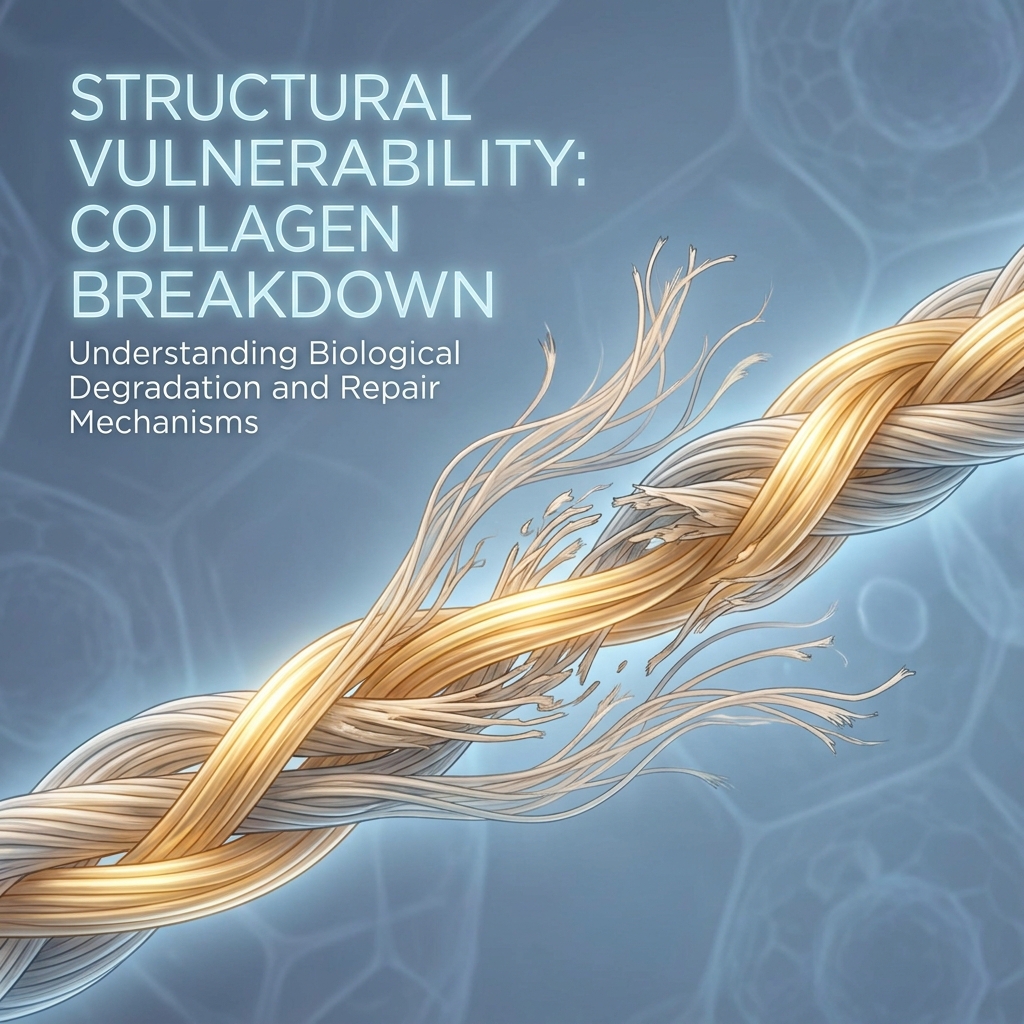
In its formal medical context, ligamentosis is a degenerative condition of ligament tissue. It is characterized by collagen fiber disorganization, mucoid degeneration, cystic changes, and chondroid metaplasia. It is the ligament equivalent of tendinosis in tendons.
The underlying process is a failed healing cascade in which micro-injuries accumulate faster than the tissue can repair itself. Instead of true regeneration, the extracellular matrix breaks down. Research cataloged in the NIH literature describes this cascade precisely: collagen degeneration, fiber disorientation, and an absence of the normal inflammatory repair signals.
This matters enormously to the structure of any ligament. Type I collagen constitutes roughly 80 percent of a ligament’s dry weight and is the primary source of its tensile strength. When that collagen degenerates or is disrupted, structural integrity is fundamentally compromised.
Ligamentosis is not the name of a surgical procedure. It is a description of what goes wrong with connective tissue. Ligaments are especially vulnerable because they heal even more slowly than tendons, leaving them prone to permanent structural compromise once their collagen architecture is disturbed.
How Some Clinics Redefine the Term, and Why That Matters
Certain international male enhancement clinics, notably some UK andrology practices, have adopted “ligamentosis” as a commercial brand name for suspensory ligament release surgery. The correct clinical name for that operation is ligamentolysis, or suspensory ligament division.
This is a marketing usage with no basis in standard medical terminology. The irony is difficult to overstate: the word chosen to brand the surgery actually describes the degenerative failure state that makes ligament surgery inherently risky in the first place.
Most competitor content using the term never discloses its true medical definition, nor connects it to the biological consequences of cutting connective tissue. That is a transparency problem. Men researching this term before consenting to a procedure named after it deserve to know what the word really means.
To understand why this matters clinically, one must understand what the penile suspensory ligament actually does.
The Penile Suspensory Ligament: Anatomy and Function
The penile suspensory ligament (PSL) is a triangular, midline fibrous structure that anchors the penis to the anterior surface of the pubic symphysis. Its fan-like architecture allows the penis to move forward during erection while simultaneously providing structural support and maintaining proper orientation for intercourse.
The ligament serves a dual protective role. First, it stabilizes the penile shaft during erection. Second, it helps cover and protect the neurovascular bundle of the penis during repetitive sexual activity. That protective function is permanently eliminated when the ligament is severed.
The PSL also envelops the deep dorsal vein. Trauma to this structure has been associated with de novo venogenic erectile dysfunction, a condition that in some documented cases resolved only after the ligament was repaired.
This is not a vestigial or redundant structure. As anatomy reviews from the Cleveland Clinic and the Journal of Sexual Medicine make clear, the PSL is a load-bearing, neurovascularly protective anatomical component with no true surgical substitute.
What Suspensory Ligament Release Surgery Actually Does
Ligamentolysis works by surgically severing the PSL. This allows the internal portion of the penile shaft to project further outward, increasing flaccid length by roughly 1 to 2 inches (2.5 to 5 cm) in most men.
Here is the critical disclosure most competitor content omits: the procedure does not increase erect penile length. Only flaccid length is affected.
There are further consequences. After ligamentolysis, the angle of erection shifts approximately 10 to 15 degrees downward, becoming more horizontal. This change can meaningfully affect sexual function and partner experience. In addition, pubic hair-bearing skin can advance onto the shaft, a documented aesthetic complication known as scrotalization.
Perhaps most importantly, without stabilization techniques the body’s healing response causes scar tissue to form and reattach the ligament in a suboptimal position. A 2024 analysis published in the Journal of Sexual Medicine found that simply releasing the suspensory ligament without stabilization leads to penile instability, scar tissue formation, and retraction of the very length that was gained.
The Biology of Why This Surgery Is Inherently Risky
This is where the medical definition of ligamentosis connects directly to surgical risk. The same collagen degeneration cascade that defines ligamentosis is essentially what happens when a ligament is cut and attempts to heal.
Once the PSL is severed, the body cannot regenerate it to its original structural integrity. Healing occurs through scar tissue formation, not true ligament regeneration. Scar tissue is inferior in elasticity and tensile strength compared to native collagen. This is the scarring paradox: the repair mechanism itself predisposes the shaft to reattachment in a suboptimal position or to permanent mechanical instability.
Research on ligament degeneration pathology reinforces the point. Chondroid metaplasia, mucoid degeneration, and cystic changes are the biological endpoints of disrupted ligament tissue. They represent breakdown, not restoration.
There is also the neurovascular dimension. With the PSL removed, the neurovascular bundle loses its protective covering, increasing susceptibility to trauma-related erectile dysfunction over time. Confocal microscopy work presented in AUA News in 2024 documented how the ligament envelops the deep dorsal vein, adding scientific depth to the concern about venogenic erectile dysfunction following PSL trauma.
What the Clinical Data Actually Shows: Satisfaction and Complications
The numbers are sobering. In a landmark referral center study, 12 men presented with complications following suspensory ligament release; only 1 reported a subjective increase in penile length, reoperation was required in 6, and sexual dysfunction was reported in 4.
Satisfaction data tells a similar story. A widely cited 2006 study reported an overall patient satisfaction rate of just 35 percent after suspensory ligament division, dropping to 27 percent in patients with penile dysmorphic disorder, the very population most likely to seek the procedure. The mean increase in stretched penile length was only 1.3 cm.
A 2024 systematic review found that complication rates, including skin necrosis, ulcers, infections, and reoperations, occur in approximately 53 percent of surgical penile augmentation cases.
The full documented complication spectrum includes:
- Penile instability during erection
- De novo erectile dysfunction (3 to 5 percent of cases)
- Paradoxical penile shortening from scar tissue reattachment
- Neurovascular bundle injury
- Hypertrophic scarring
- Wound dehiscence and infection
- Scrotalization of the shaft
These are not rare edge-case outcomes. They are documented across multiple referral centers in peer-reviewed literature, which is precisely why most urologists recommend non-surgical options first.
The Psychological Dimension: Who Is Actually Seeking This Surgery
Most men seeking penile enhancement surgery have average-sized penises. They are motivated by aesthetic and psychological concerns rather than a clinical diagnosis of micropenis.
This is where the data becomes especially important. For men with penile dysmorphic disorder specifically, satisfaction after surgery falls to 27 percent. In other words, the worst outcomes occur in the population most likely to pursue the procedure.
The desire for enhancement is legitimate and understandable. Confidence matters, and self-perception has real effects on quality of life. The relevant question is not whether the desire is valid, but whether surgery is the appropriate vehicle for achieving it. For men driven by confidence rather than clinical pathology, a procedure carrying a 65 to 73 percent dissatisfaction rate and permanent structural consequences represents a poor risk-benefit trade-off.
Fortunately, there is a clinically validated, non-surgical alternative that addresses girth, the dimension most associated with sexual confidence, without compromising penile architecture.
The Non-Surgical Alternative: Dermal Filler Girth Enhancement
Hyaluronic acid (HA) filler-based penile girth enhancement has emerged as the leading non-surgical alternative, now recognized by the American Urological Association as a reasonable option for appropriate candidates.
The mechanism is straightforward. Medical-grade HA filler is placed beneath the penile skin to enhance girth and volume. There is no cutting and no general anesthesia. It is an outpatient procedure completed in under an hour.
The outcomes data is compelling. Peer-reviewed studies report girth increases of 1.7 to 3.92 cm and patient satisfaction rates of 75 to 100 percent in injection-based studies. A retrospective study of nearly 500 men, presented at SMSNA in 2023, found HA filler for penile girth enhancement to be safe with limited adverse events.
HA fillers also offer a safety backstop that surgery cannot: reversibility. The resorbable nature of HA, along with its capacity for enzymatic degradation by hyaluronidase, enhances its appeal in aesthetic procedures where precision and reversibility are paramount. The complication profiles differ sharply, with mild adverse events in only 11 to 14 percent of injection-based cases versus roughly 53 percent complication rates in surgical cases.
Results look and feel natural in both flaccid and erect states, with normal sensation and function maintained, addressing the core confidence concern without structural compromise.
Why Stoller Medical Group Chose the Non-Surgical Path
Stoller Medical Group, operating as Penis Enlargement New York City, explicitly does not offer surgical penile lengthening procedures. That is a deliberate clinical decision grounded in the documented risk-benefit profile described throughout this article.
The practice’s primary service is non-surgical penile girth enhancement using Belefil, a hyaluronic acid-based, medical-grade dermal filler. Procedures are performed by Dr. Roy B. Stoller and his team across five locations.
Dr. Stoller is a board-certified physician with more than 25 years in aesthetic and restorative medicine and five years dedicated specifically to non-surgical male enhancement. The practice has performed over 15,000 enlargement procedures, a depth of experience that translates directly into procedural precision and complication avoidance.
The treatment philosophy is staged: multiple sessions rather than single dramatic procedures, optimizing for symmetry, reduced risk, and smoother outcomes. The results profile reflects this careful approach, with immediate visible enhancement, 80 to 90 percent permanent improvement in girth and volume, results lasting 18 to 24 months, and sexual activity resumable within 7 to 10 days.
Understanding the Investment: What Girth Enhancement Costs
For a financially sophisticated audience, transparency about cost is a courtesy.
Pricing starts at $7,500 and increases based on the patient’s desired results and individual anatomy. Treatment is priced by syringe. Most men begin with a minimum of 10 syringes, and the average first procedure involves approximately 15 syringes.
That investment deserves context. When weighed against the financial, physical, and psychological costs of surgical complications, including reoperations, treatment of erectile dysfunction, and a documented 65 percent dissatisfaction rate, the non-surgical approach represents a sound clinical and financial decision.
Free consultations are available at all five locations: Manhattan, Long Island, Albany, Chadds Ford in Pennsylvania, and Eagan in Minnesota. Because the model is staged, men can begin conservatively and build toward their goals incrementally, a financially and clinically prudent approach.
How to Evaluate Any Male Enhancement Provider: Questions to Ask
A clinical checklist protects any man evaluating a provider, surgical or non-surgical.
Questions for a surgical provider:
- Does this procedure increase erect length or only flaccid length?
- What is your documented patient satisfaction rate?
- What is the risk of paradoxical shortening?
- How do you manage scar tissue reattachment?
Questions for a non-surgical provider:
- What filler product do you use, and what is its biocompatibility profile?
- Is the procedure reversible?
- What is your complication rate across your patient volume?
- Are results staged or single-session?
Seek providers who cite peer-reviewed literature rather than testimonials alone, and who are transparent about what a procedure cannot achieve as well as what it can. Any provider using “ligamentosis” as a procedure name without defining the term’s medical meaning is, at minimum, not prioritizing patient education. That gap should be treated as a red flag. Consultation with a board-certified physician who specializes in male anatomy is the appropriate starting point for any decision.
Conclusion: The Biology Was Always the Argument
The central insight is simple. The word “ligamentosis,” understood correctly, is not a procedure name. It is a description of what happens to connective tissue when it degenerates or fails to heal. That biology is precisely why cutting the penile suspensory ligament is a high-risk intervention.
The evidence is consistent: a 35 percent overall satisfaction rate, a 53 percent surgical complication rate, documented paradoxical shortening, a permanent erection angle change, and irreversible structural compromise, all rooted in the same collagen biology that defines ligamentosis.
The non-surgical path stands in sharp contrast: 75 to 100 percent satisfaction rates, 11 to 14 percent mild adverse event rates, full reversibility, and no compromise to penile architecture or neurovascular function.
Men who have researched this topic thoroughly enough to find the medical definition of ligamentosis are exactly the men who will make the right decision when given complete information. Meaningful, lasting girth enhancement is achievable through a clinically validated, non-surgical approach that works with the body’s biology rather than against it.
Take the First Step: Schedule a Confidential Consultation
Men who want meaningful results without structural compromise are invited to schedule a free consultation at any of Stoller Medical Group’s five locations: Manhattan (515 Madison Avenue), Long Island (Jericho), Albany (Latham), Pennsylvania (Chadds Ford), or Minnesota (Eagan).
Consultations are confidential, conducted by experienced medical professionals, and focused on realistic goal-setting and individualized treatment planning. The practice brings 15,000-plus procedures of clinical depth, a staged treatment protocol, and a safety-first philosophy demonstrated by its deliberate choice not to offer high-risk surgical alternatives.
For planning purposes, pricing starts at $7,500 and increases based on desired results and individual anatomy. Treatment is priced by syringe, with most men beginning at a minimum of 10 syringes and averaging 15 syringes during their first procedure. This allows each man to self-qualify before scheduling.
The conversation here begins with biology, not marketing. That is exactly where an informed decision should start.