
Nutrition and Erectile Dysfunction: The Vascular Deficiency Mechanisms Explained
Introduction: Erectile Dysfunction Is a Vascular Disease First
Erectile dysfunction is not primarily a sexual performance issue. It is a measurable downstream consequence of vascular disease, and nutrition is one of its most identifiable upstream causes. Reframing ED in these terms changes everything about how a man should respond to its first appearance.
The scale of the problem is substantial. Global ED prevalence is projected to reach approximately 322 million men by 2026, nearly double the 152 million recorded in 1995. In the United States, roughly 24% of men experience ED, with metabolic and nutritional factors driving much of that burden. Approximately two-thirds of men with diabetes worldwide experience ED, underscoring how central metabolic health is to erectile function.
There is a critical anatomical reason ED matters far beyond the bedroom. Penile arteries measure only 1 to 2 millimeters in diameter, making them considerably smaller than the coronary arteries. When atherosclerosis begins to develop systemically, it manifests as ED symptoms years before a cardiac event. This is why clinicians increasingly describe ED as the canary in the coalmine for cardiovascular disease. The MESA cohort found that ED was independently associated with a near-twofold increase in cardiovascular events (hazard ratio 1.9), and in 2024 the American College of Cardiology formally recognized ED as an ASCVD risk-enhancing factor.
This article maps three distinct biochemical pathways through which specific nutritional deficiencies (zinc, vitamin D, magnesium, and the B vitamins including folate) directly impair nitric oxide bioavailability, endothelial function, and testosterone synthesis in penile tissue. For the health-literate professional man experiencing early symptoms he has not yet connected to nutritional or vascular causes, this knowledge is actionable.
The treatment gap makes urgency clear. Only 25% of men with ED receive any treatment globally, and treatment-seeking rates fall as low as 2.6% among men aged 18 to 34 despite a 26% prevalence in that group. Understanding the mechanism is the first step toward closing that gap.
Why Nitric Oxide Is the Master Switch of Erectile Function
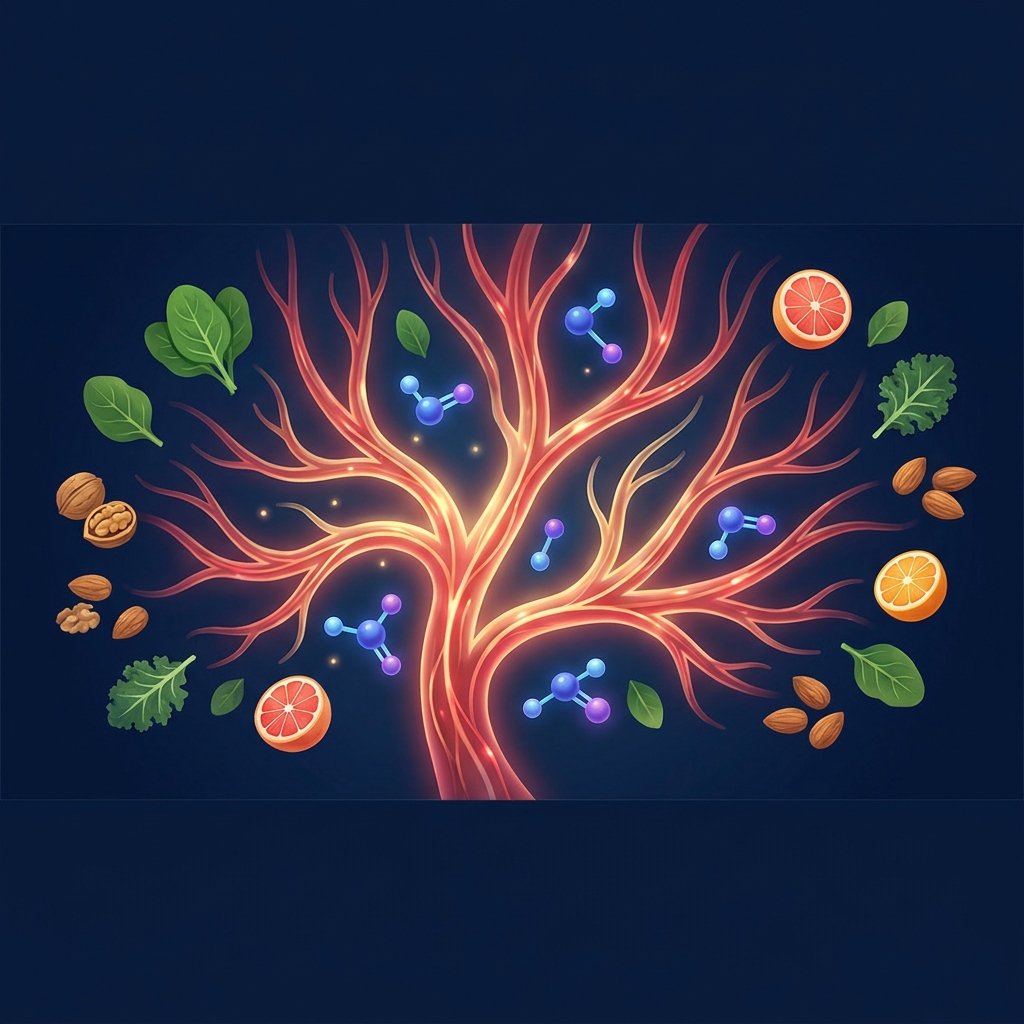
Nitric oxide (NO) is the primary mediator of penile smooth muscle relaxation. Without sufficient NO, the smooth muscle of the corpus cavernosum cannot relax, blood cannot engorge the erectile tissue, and erection fails. This single molecule sits at the center of the entire process.
The central enzymatic step is the eNOS pathway. Endothelial nitric oxide synthase (eNOS) converts L-arginine into NO within the vascular endothelium of penile tissue. This is precisely the step that nutritional deficiencies disrupt. As the NIH literature states plainly, impairment of NO release or actions is a major pathogenic mechanism of organic ED.
The primary antagonist is oxidative stress. Reactive oxygen species (ROS), generated largely by NADPH oxidase and uncoupled eNOS, scavenge NO before it can act. This reduces NO bioavailability and produces endothelial dysfunction. Over time, chronic oxidative stress causes more than impaired vasodilation; it drives structural remodeling of penile tissue in the form of corporal fibrosis, making the vascular damage progressive and potentially irreversible without intervention.
Specific micronutrients serve as required cofactors for eNOS activity, NO synthesis, and antioxidant defense. Their absence directly impairs this master switch. The three pathways that follow represent three distinct mechanisms by which nutritional deficiencies attack this NO-dependent system.
Pathway One: Hormonal Disruption Through Zinc Deficiency
Zinc is a foundational micronutrient for male sexual function. It is a required cofactor for the enzymes that convert cholesterol into testosterone and for 5α-reductase activity. Without adequate zinc, the entire androgen synthesis process falters.
The dietary evidence is striking. A landmark study demonstrated that 20 weeks on a low-zinc diet caused roughly a 75% decrease in serum testosterone in young men, while zinc supplementation in elderly men nearly doubled testosterone levels. This is a direct, dose-dependent hormonal impact.
Testosterone matters for erection through more than libido. It is required to maintain the structural integrity and NO-responsiveness of the corpus cavernosum smooth muscle cells. Below a threshold level, erection quality degrades even when vascular supply remains intact. This androgen threshold mechanism is well documented in the 2026 endocrine-metabolic crosstalk literature, which describes how nutritional deficiencies interact with hormonal axes to compound ED risk through multiple simultaneous pathways.
Zinc operates through two additional routes. First, zinc is required for eNOS expression and activity, so zinc deficiency independently reduces NO-mediated vasodilation in penile vasculature, creating a dual hormonal and vascular impairment. Second, zinc deficiency promotes low-grade systemic inflammation and endothelial damage, accelerating the oxidative stress cascade that scavenges NO.
Clinically, zinc deficiency is highly prevalent among men with metabolic syndrome, diabetes, and poor dietary quality: the same populations with the highest ED rates. This makes it a clinically actionable target.
Pathway Two: Endothelial Dysfunction Through Magnesium and Vitamin D Deficiency
This pathway is the most directly vascular. Both magnesium and vitamin D act at the level of the endothelium and vascular smooth muscle to regulate NO production and vascular tone.
A 2025 population-based analysis published in Frontiers in Nutrition found that a higher magnesium deficiency score independently predicted both ED risk and mortality, a finding most competing content has entirely overlooked.
Magnesium works through several mechanisms. It functions as a cofactor supporting eNOS activity and NO production. It regulates vascular smooth muscle relaxation and improves insulin sensitivity, which matters because insulin resistance is itself an independent cause of endothelial dysfunction. When magnesium is deficient, the result is penile vasoconstriction. Magnesium deficiency is also associated with hypertension, metabolic syndrome, and atherosclerosis, all established ED risk factors, creating a compounding vascular burden.
Vitamin D contributes through its own receptor system. The vitamin D receptor (VDR) is expressed in penile vasculature and corpus cavernosum smooth muscle cells. Calcitriol, the active form of vitamin D, has direct anti-inflammatory and vasodilatory properties that support endothelial NO production. A 2025 review in The Journal of Sexual Medicine detailed how vitamin D deficiency impairs erectile function through reduced VDR signaling, increased vascular inflammation, and suppressed eNOS activity.
The prevalence context is important. Vitamin D deficiency affects a substantial proportion of adult men, particularly those in northern latitudes, office-based professionals with limited sun exposure, and men with obesity. This describes the at-risk demographic precisely.
Both deficiencies are measurable through standard blood panels: serum 25-OH vitamin D and serum or RBC magnesium. This makes the pathway clinically actionable with straightforward testing.
Pathway Three: The Homocysteine-eNOS Connection
This is the most underreported mechanism in the nutrition-ED literature, a specific biochemical cascade that competing content has consistently failed to address.
The mechanism begins with the B vitamins. Vitamins B6, B12, and folate (B9) are required for the remethylation and transsulfuration of homocysteine. When these B vitamins are deficient, homocysteine accumulates in the bloodstream, producing hyperhomocysteinemia.
A 2016 study in Scientific Reports demonstrated that hyperhomocysteinemia directly impairs eNOS activity in the corpus cavernosum, not just systemically but specifically within penile tissue, causing vasculogenic ED through a distinct enzymatic mechanism.
The eNOS uncoupling mechanism explains why this is so damaging. Elevated homocysteine depletes tetrahydrobiopterin (BH4), a critical eNOS cofactor. Without BH4, eNOS becomes uncoupled. Instead of producing NO, it generates superoxide, a reactive oxygen species that further scavenges NO and worsens endothelial dysfunction. The same study reported that B vitamin and folic acid supplementation markedly improved penile erections in animal models by restoring eNOS coupling and reducing homocysteine-driven oxidative stress.
Hyperhomocysteinemia is also an independent risk factor for atherosclerosis and coronary artery disease, reinforcing the unified vascular disease framework. Men with elevated homocysteine face compounded risk for both ED and cardiac events.
Homocysteine is measured through a standard, inexpensive blood test. Levels above 15 µmol/L in a man with ED should prompt evaluation of B vitamin and folate status. Vitamin C plays a supporting role as well, protecting NO from oxidative degradation and supporting eNOS activity. This pathway is entirely correctable through targeted supplementation, making it one of the highest-leverage, lowest-cost nutritional interventions for vasculogenic ED.
How These Three Pathways Converge: The Unified Vascular Disease Model of ED
The three pathways share a single endpoint. Zinc deficiency attacks testosterone synthesis and eNOS expression. Magnesium and vitamin D deficiency impair vascular smooth muscle relaxation and endothelial NO production. B vitamin and folate deficiency drives homocysteine-mediated eNOS uncoupling. All three converge on reduced NO bioavailability in penile tissue.
Atherosclerosis accounts for 50 to 60% of ED cases, and nutritional deficiencies accelerate atherosclerosis by promoting endothelial dysfunction, oxidative stress, and inflammation. This makes nutrition a primary prevention target, not an adjunct.
Two measurable dietary frameworks reinforce this. The Dietary Inflammation Index (DII) captures how pro-inflammatory diets chronically elevate ROS and suppress NO, creating a measurable pathway to vasculogenic ED. The Composite Dietary Antioxidant Index (CDAI) is inversely associated with ED in NHANES data, confirming that antioxidant intake is a measurable protective factor. A 2025 World Journal of Men’s Health meta-analysis of 23 double-blind randomized controlled trials on antioxidant supplementation for ED provides the high-quality evidence base supporting nutritional intervention.
The reversibility data is compelling. According to the PCRM Nutrition Guide, a low-fat, low-cholesterol diet combined with exercise restored normal sexual function in 31% of men with ED versus approximately 5% in controls. ED is not an inevitable consequence of aging; it is a measurable, partially reversible downstream consequence of identifiable upstream causes.
Measuring Risk: Clinical Markers That Connect Nutrition to Erectile Function
For the professional who wants to quantify his vascular and nutritional status, several markers are relevant. A comprehensive blood panel should include serum zinc, serum 25-OH vitamin D, serum or RBC magnesium, plasma homocysteine, folate, B12, fasting glucose and HbA1c, a lipid panel with LDL, hsCRP for systemic inflammation, and total and free testosterone.
Coronary artery calcium (CAC) scoring adds another dimension. ED severity tracks closely with coronary plaque burden, so a CAC score in a man with ED provides a direct measure of subclinical atherosclerosis. NHANES-based data published in Frontiers in Endocrinology confirmed that ED is independently associated with predicted 10-year ASCVD risk, supporting the use of standard cardiovascular risk calculators as part of ED evaluation.
Because penile arteries are smaller than coronary arteries, ED symptoms appear earlier in the atherosclerotic process. This means ED is often the first clinically detectable sign of systemic vascular disease, sometimes years before a cardiac event. Given that two-thirds of men with diabetes experience ED, metabolic screening (HbA1c and fasting insulin) is particularly important for men who may have undiagnosed insulin resistance. Nutritional optimization is best approached as a clinical strategy guided by a physician, not as a self-directed experiment.
When Nutritional Optimization Is Not Enough: Understanding the Role of Clinical Intervention
Nutritional optimization can meaningfully improve vascular health and erectile function, particularly in early-stage or nutritionally driven ED. Structural changes to penile tissue from chronic vascular disease, corporal fibrosis, or anatomical factors, however, may not be fully reversible through diet and supplementation alone.
It is worth distinguishing functional ED (driven by reversible nutritional and vascular factors) from structural or anatomical considerations that men may have alongside or independent of ED. Men who have addressed nutritional deficiencies and vascular risk factors but still have concerns about sexual confidence and physical presentation may benefit from a comprehensive male sexual wellness evaluation.
This is where Stoller Medical Group operates: at the intersection of vascular medicine and male sexual wellness. The team recognizes that sexual confidence involves both physiological function and physical presentation. For men who have optimized their health but seek additional enhancement, the practice offers non-surgical penile girth enhancement (filler phalloplasty using Belefil®), framed as a medical procedure rather than a cosmetic shortcut. Procedures are performed by board-certified physicians with advanced training in male anatomy, using hospital-grade sterility protocols and medical-grade biocompatible materials. With more than 15,000 procedures performed across five locations, the practice is a high-volume, specialized clinical authority in this space.
What to Expect From a Non-Surgical Penile Enhancement Consultation at Stoller Medical Group
The consultation begins with a comprehensive evaluation of individual anatomy, goals, and health history. The emphasis is on realistic goal-setting, thorough informed consent, and a focus on proportion, balance, and natural aesthetics.
The procedure itself is non-surgical and performed on an outpatient basis in under one hour, with no cutting and no general anesthesia. Belefil®, a hyaluronic acid-based dermal filler, is placed beneath the penile skin to enhance girth and volume.
The results profile is well defined. Patients see immediate visible enhancement, with 80 to 90% permanent improvement in girth and volume and results lasting 18 to 24 months. The outcome looks and feels natural in both flaccid and erect states, with an increase of up to 1 to 1.5 inches in girth. Recovery is efficient: most men return to normal activity within 10 days, compared to 40 or more days with other permanent fillers, and sexual activity can typically resume within 7 to 10 days.
Procedures start at $7,500, with pricing structured by syringe. Most men begin with a minimum of 10 syringes, with an average of 15 syringes during a first procedure. Final cost depends on desired results and individual anatomy. The approach is staged, using incremental sessions rather than single dramatic procedures, with follow-up typically scheduled 2 to 3 months after initial treatment and optional periodic touch-ups available.
The practice maintains five locations for geographic accessibility: Manhattan, Long Island, and Albany in New York; Chadds Ford in Pennsylvania; and Eagan in Minnesota. Free consultations are available, lowering the barrier for men who want expert guidance before committing.
Conclusion: Erectile Dysfunction as a Vascular Signal
Erectile dysfunction is not a sexual performance failure. It is a measurable downstream consequence of vascular disease with identifiable nutritional upstream causes that can be tested, quantified, and addressed.
The three pathways make the mechanism clear. Zinc deficiency impairs testosterone synthesis and eNOS expression. Magnesium and vitamin D deficiency disrupt endothelial NO production and vascular smooth muscle function. B vitamin and folate deficiency elevate homocysteine and uncouple eNOS in penile tissue. All three converge on reduced NO bioavailability.
Because penile arteries are smaller than coronary arteries, ED is often the earliest detectable sign of systemic atherosclerosis. Addressing it nutritionally and clinically is not vanity; it is cardiovascular prevention. With only 25% of men with ED receiving treatment, the men who act on this information by testing their nutritional markers, optimizing their diet, and seeking clinical evaluation are the ones who protect both their sexual health and their long-term cardiovascular health.
Nutritional vascular health is not a passive strategy. It is the foundation on which all other male sexual wellness interventions build.
Take the Next Step: Schedule a Free Consultation
Men who have never believed a solution existed deserve a clinical conversation, not a sales pitch. Seeking expert guidance is the intelligent, proactive choice.
Stoller Medical Group brings a board-certified physician, more than 15,000 procedures performed, and five convenient locations across New York, Pennsylvania, and Minnesota. Procedures start at $7,500, with pricing by syringe. Most men begin with a minimum of 10 syringes and average 15 syringes on their first procedure, making it a precision medical investment in long-term confidence and wellness.
Discretion and privacy are prioritized throughout the consultation and treatment process. Consultations are available in Manhattan (515 Madison Avenue), Long Island (Jericho), Albany (Latham), Pennsylvania (Chadds Ford), and Minnesota (Eagan).
A free consultation is available to discuss individual anatomy, goals, and whether a non-surgical enhancement procedure is appropriate. No commitment is required.