
How to Predict a Guy’s Size: The Myths, the Science, and What Actually Determines It
Introduction: Why Everyone Gets This Wrong
Few questions have generated more speculation, folklore, and confident locker-room theorizing than how to predict a man’s size from something visible. Men and women alike have looked for external tells for generations: shoe size, hand span, height, even nose shape. Popular culture has reinforced these ideas so thoroughly that most people repeat them without ever questioning whether they hold up.
This article goes further than the standard myth-busting piece. Yes, the popular predictors will be dismantled with actual research. But the more interesting story is what science genuinely reveals, including the single strongest predictor most people have never heard of, and what all of it means for men who want clinically actionable information rather than entertainment.
Here is the reframe that changes the entire conversation: genetics account for roughly 60 to 80 percent of size variation between individuals. That single fact renders nearly every external proxy useless, shifting the discussion from parlor-game curiosity to biology. What follows is professional, evidence-first, and written for men who value data over folklore.
The Myths: What Doesn’t Actually Predict Size
The gold-standard reference in this field is the Veale et al. (2015) meta-analysis, which pooled clinician-measured data from 15,521 men across 17 studies. Its verdict was unambiguous: there is no clinically meaningful correlation between penis size and height, BMI, foot size, or other gross body dimensions.
One problem corrupts much of the popular data people cite: self-reporting bias. Studies relying on self-reported measurements consistently overestimate average size by roughly 0.5 to 1 inch compared to clinician-measured studies. Men measure themselves generously; clinicians measure consistently. Keep that gap in mind every time a viral statistic surfaces.
Shoe Size: The Most Persistent Myth
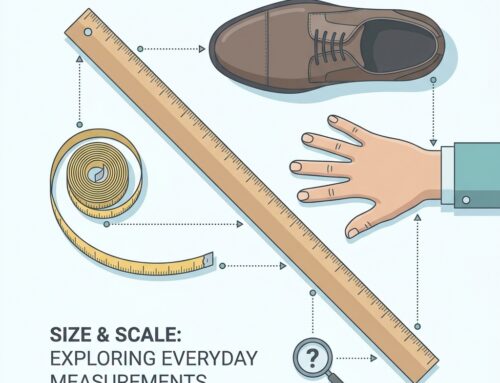
The shoe size claim is arguably the most thoroughly debunked myth in urology. A prospective 2002 study in BJU International by Shah and Christopher measured 104 men and found zero statistically significant correlation between shoe size and stretched penile length. The authors stated plainly that “the supposed association of penile length and shoe size has no scientific basis.”
Why does it survive? Both foot size and penis size loosely track overall body size, which creates a weak, indirect association that evaporates under controlled analysis. The correlation people think they see is a statistical mirage. Fact-checkers agree; Snopes rates the hand, foot, and nose claims as FALSE, reflecting how thoroughly this has been investigated well outside academic journals.
Height, Hand Size, and Other Body Proportions
The Veale 2015 data applies here as well: no clinically meaningful correlation exists with height or other gross anthropometric measures. The intuition that taller men have bigger everything feels reasonable, but it breaks down because penis development follows a distinct hormonal and genetic program during fetal life, not simple skeletal scaling.
Any measured difference between groups defined by height or body size is dwarfed by the individual variation found within each group. Nose size, hand size, and similar folk indicators fare no better. None have peer-reviewed support as independent predictors of anything.
The Science: What Actually Has Some Predictive Basis
Two proxies carry genuine research support. The distinction that matters is correlation with a mechanism versus correlation without explanation. These two have a plausible biological story behind them, which is precisely why they hold up where shoe size does not.
The 2D:4D Digit Ratio: A Real Signal, But a Weak One
The 2D:4D ratio compares the length of the index finger to the ring finger. A lower ratio, meaning the ring finger is longer than the index finger, correlates weakly with longer stretched penile length.
The mechanism is what makes this credible. Experimental research in mice published in PNAS (Zheng and Cohn, 2011) demonstrated that the digit ratio is set by the balance of androgen-to-estrogen signaling during a narrow developmental window. The link runs through Hox genes, which simultaneously regulate the urogenital system and the digits. That shared developmental pathway, not any direct causal line from finger to genitals, is why the two correlate at all. A 2018 genome-wide association study in Human Molecular Genetics confirmed the digit ratio is itself highly heritable (h² of 50 to 80 percent), meaning it reflects genuine prenatal biology.
The critical caveat: the effect size is small. This is a population-level statistical signal, not a tool for predicting any individual’s measurements. Knowing someone’s finger ratio tells you almost nothing useful about the actual number.
Anogenital Distance: The Strongest Predictor Science Has Found
A 2025 study in Andrology (Kaya et al.) surfaced a finding almost entirely absent from popular coverage. Anogenital distance (AGD), the distance from the base of the scrotum to the anal verge, is a clinical biomarker routinely measured in reproductive medicine. In multivariate analysis, AGD emerged as the strongest independent predictor of stretched penile length (β = 0.618, p < 0.001), outperforming digit ratios and every other anthropometric measure tested.
The rationale is elegant. AGD is itself a marker of prenatal androgen exposure. Greater androgen exposure during fetal development produces both a longer AGD and greater penile development; both are downstream effects of the same hormonal environment. Earlier support came from Eisenberg et al. (2011) in PLOS ONE, which linked AGD to both fertility and penile length in adult men.
The honest framing: AGD is a clinical biomarker, not a party trick. It requires precise measurement by a clinician. This section exists to show where the science actually points, and it points to prenatal hormones, the same theme that keeps recurring.
The Real Determinants: What Actually Shapes Penis Size
The better question is not what predicts size but what determines it. Genetics dominate, with hormonal and environmental influences playing meaningful but secondary roles.
Genetics: The 60 to 80 Percent Factor
Genetics account for approximately 60 to 80 percent of the variation in penis size between individuals, comparable to the heritability of height (around 80 percent). Both parents contribute. Most relevant genes reside on the X chromosome (the maternal contribution), but Y-chromosome genes matter too, initiating testicular development and testosterone production during critical windows.
Importantly, no single gene has been identified as controlling final size. It is a polygenic trait, with hundreds of genetic variants each adding a small effect. This is the scientific reason the myths fail: because genetics dominate and external proxies are not direct genetic readouts, those proxies have very limited predictive power for any individual.
Prenatal Hormones, Nutrition, and Environmental Factors
Prenatal androgen exposure, specifically testosterone and dihydrotestosterone during fetal development, is critical. This is the same hormonal environment reflected by AGD and the 2D:4D ratio. Adequate childhood and pubertal nutrition supports normal hormonal development, while severe deficiency can impair it.
Endocrine-disrupting chemicals (EDCs) add a surprising wrinkle. A 2023 meta-analysis in the World Journal of Men’s Health (Belladelli et al.) pooled 75 studies covering 55,761 men and found average erect length increased roughly 24 percent globally over 30 years, from about 4.8 inches in 1992 to about 6 inches in 2021. EDC exposure, earlier puberty, and increased body size are proposed mechanisms, though causation remains unresolved. The American Sexual Health Association has summarized the same finding for general audiences.
The key takeaway: these non-genetic factors are invisible from the outside. They operated during fetal life and puberty and leave no readable markers on adult anatomy.
Race and Ethnicity: What the Data Actually Shows
Misinformation here is widespread, so it is worth stating directly. The Veale 2015 meta-analysis found no significant racial differences in clinician-measured dimensions. A 2025 meta-analysis by Mostafaei et al. covering 33 studies and 36,883 patients provided WHO region-stratified normative data; differences between regions exist but are small, typically under 0.25 inches, and are again dwarfed by individual variation. Stereotypes about racial size differences are not supported by rigorous clinician-measured data.
What the Actual Numbers Look Like: Clinical Averages vs. What Men Believe
The clinician-measured averages from Veale 2015 are worth stating plainly:
- Flaccid length: 3.6 in (9.16 cm)
- Stretched length: 5.21 in (13.24 cm)
- Erect length: 5.17 in (13.12 cm)
- Flaccid girth: 3.67 in (9.31 cm)
- Erect girth: 4.59 in (11.66 cm)
A 2020 review by King in the Journal of Sex and Marital Therapy found the combined mean erect length across 10 clinician-measured studies was 5.36 inches, well below the 6-plus inches most men believe to be average. Self-reporting bias explains much of the gap.
The psychological consequence is significant. Because most men overestimate the average, many men with entirely normal measurements believe they fall below it. It is also worth distinguishing flaccid, stretched, and erect measurements, a nuance most articles ignore. Stretched penile length is the clinical gold standard because it approximates erect length without requiring an erection in a clinical setting. For a deeper look at what male organ size clinical data actually shows, the numbers tell a more reassuring story than most men expect.
The Grower vs. Shower Reality: Why Flaccid Size Tells You Almost Nothing
“Growers” expand significantly during erection. “Showers” appear larger flaccid but expand proportionally less. Both are normal, well-documented, and neither is pathological.
The practical implication is straightforward: flaccid size is a poor predictor of erect size. Anyone attempting to estimate a man’s size from a flaccid state is working with genuinely unreliable information. This is precisely why clinicians rely on stretched penile length rather than flaccid measurement. Understanding penis girth enhancement in both flaccid and erect states is equally important when evaluating what enhancement can realistically achieve.
The Dimension That Actually Matters More: Why Girth Is the Clinically Relevant Metric
The cultural obsession centers on length, yet research consistently points to girth as the dimension more associated with partner satisfaction.
The 2015 PLOS ONE study by Prause et al. had 75 women select preferred dimensions using 3D-printed models. Women preferred slightly above-average girth and recalled circumference more accurately than length. For long-term partners, preferred dimensions were 6.3 inches in length and 4.8 inches in circumference; for one-time partners, 6.4 inches in length and 5.0 inches in circumference. Both are only marginally above the clinical average.
There is an anatomical basis. The vaginal canal is most sensitive in its outer third, where nerve density is highest, and circumference determines the degree of contact in that zone. Multiple surveys echo the same pattern: women who express a preference tend to prioritize circumference.
For the man concerned about size, this is the pivotal insight. Girth is the dimension worth understanding, and it is also the dimension most addressable through modern non-surgical clinical options. Men researching how to increase girth will find that evidence-based non-surgical approaches have advanced considerably in recent years.
The Psychological Dimension: When Size Concern Becomes a Clinical Issue
Small penis anxiety (SPA) and penile dysmorphic disorder (PDD, a subtype of body dysmorphic disorder) are clinically recognized conditions, not vanity. Per the EAU Guidelines, BDD prevalence is about 2.2 percent in the US and 1.8 percent in Germany. Men with SPA or PDD focused on penis size show reduced sexual satisfaction and quality of life even when their measurements are entirely normal.
The misinformation problem feeds directly into this. Inflated perceptions of average size, driven by self-reported studies, pornography, and cultural myth, push objectively normal men toward distress. There is a meaningful difference between a man who is distressed and may benefit from counseling, and a man with a normal-sized penis who simply wants to explore enhancement for confidence or satisfaction. As King’s 2020 review notes, accurate normative data is itself a therapeutic tool. The goal is not to pathologize curiosity but to ensure decisions are based on reality.
What Can Actually Be Done: Modern Clinical Options for Girth Enhancement
For men who understand that genetics largely set size, the relevant question becomes what medicine can actually offer, and the answer centers on girth.
A 2025 comprehensive review in Current Urology (Chen et al.) evaluated the modality landscape: hyaluronic acid (HA) fillers, polylactic acid (PLA) fillers, autologous fat injection, and surgical grafting or flap procedures. It found HA fillers slightly more effective than PLA with comparable clinical efficacy. The Fifth International Consultation on Sexual Medicine (ICSM 2024), published as consensus recommendations in Sexual Medicine Reviews (Chung et al., 2026), also covers traction devices and medical therapy, providing the most authoritative current framework. The most relevant option for most men remains the non-surgical filler approach.
Non-Surgical Girth Enhancement: How Dermal Fillers Work
The procedure, known as filler phalloplasty, places medical-grade biocompatible fillers such as the hyaluronic acid-based Belefil® beneath the penile skin to enhance girth and volume. It is an outpatient procedure with no cutting and no general anesthesia, completed in under one hour. Men interested in understanding hyaluronic acid penile filler biocompatibility will find that the safety profile of these materials is well-documented in the medical literature.
Realistic expectations matter. Patients can see an increase of up to 1 to 1.5 inches in girth, with results that look and feel natural in both flaccid and erect states while maintaining normal sensation and function. At Stoller Medical Group, the approach delivers 80 to 90 percent permanent improvement in girth and volume, with results typically lasting 18 to 24 months and optional touch-up sessions available. Recovery is notably faster than alternatives: patients are back on their feet in about 10 days versus 40-plus days with other permanent fillers, and sexual activity can resume within 7 to 10 days.
The treatment is staged across multiple sessions rather than delivered in one procedure, which improves symmetry, reduces risk, and produces smoother outcomes. The benefits of a staged penis enlargement treatment approach are well established in clinical practice. Glans (head) enlargement and scrotal enhancement can be performed simultaneously if desired.
What to Expect: Candidacy, Process, and Realistic Goals
The ideal candidate is a generally healthy man with realistic expectations who wants moderate, natural-looking girth enhancement and minimal downtime. A comprehensive consultation is foundational, covering realistic goal-setting, thorough education, and informed consent. Understanding the penile enhancement informed consent process is an important part of what that consultation covers.
On pricing: procedures start at $7,500 and increase depending on desired results. Cost is structured by syringe. Most men begin with a minimum of 10 syringes, and the average first procedure involves approximately 15 syringes. Final cost depends on goals and individual anatomy, which is exactly what a free consultation is designed to assess.
Stoller Medical Group deliberately does not offer surgical penile lengthening due to its higher risk profile, a clear prioritization of patient safety over revenue. With over 15,000 enlargement procedures performed, the practice brings a depth of experience that genuinely matters in a specialized field.
Why Stoller Medical Group: Evidence-First Care in a Field Full of Noise
The same rigor applied throughout this article defines the practice’s approach. Dr. Roy B. Stoller is a board-certified penis enlargement doctor with 25-plus years in aesthetic and restorative medicine and 5 years dedicated specifically to non-surgical male enhancement, recognized as an expert in dermal fillers for penile enhancement.
Accessibility is built in, with five locations across Manhattan, Long Island, Albany, Pennsylvania, and Minnesota, serving men across major metropolitan areas with discretion and convenience. The brand values that matter most to discerning patients are consistent: clinical authority, natural results, transparency about outcomes, and absolute confidentiality.
Men who have read this far understand that size is largely genetically predetermined, that girth matters more than length, and that legitimate non-surgical options exist. Stoller Medical Group is equipped to translate that understanding into a personalized clinical plan. It is worth noting that male cosmetic procedures have increased 500 percent over the past 25 years, from roughly 3 percent to over 15 percent of cosmetic patients, reflecting a broad cultural shift toward men taking an active role in their physical confidence.
Conclusion: From Curiosity to Clarity
The intellectual arc is clear. The myths (shoe size, hand size, height) collapse under scrutiny. The science points to prenatal biology and genetics as the dominant determinants. The strongest known predictor is anogenital distance, a clinical biomarker rather than a folk method. And the dimension that matters most for satisfaction is girth, not length.
The central reframe stands: because 60 to 80 percent of size variation is genetic, external proxies have almost no predictive power for any individual. The honest answer to “how do I predict a guy’s size?” is that, from the outside, it largely cannot be determined.
This topic carries real psychological weight, and much of that weight rests on misinformation. Accurate data, including the fact that most men with size concerns are firmly within the normal range, is itself valuable. For those who have processed the science and want to explore what modern medicine can offer, the conversation shifts from prediction to possibility. Non-surgical girth enhancement, performed by experienced clinicians, is a legitimate, evidence-supported option.
Ready to Move from Questions to Answers? Schedule Your Free Consultation
For professional men who have done the research and are ready for a real conversation with a qualified clinician, the next step is straightforward. Free consultations are available at all five Stoller Medical Group locations.
With over 15,000 procedures performed, a non-surgical approach, natural-looking results, a 10-day recovery, and a team that prioritizes safety and discretion above all, the practice is built for men who value evidence over hype. Pricing starts at $7,500 and increases depending on desired results; cost is structured by syringe, with most men starting at a minimum of 10 syringes and the average first procedure involving approximately 15 syringes. The consultation is the right place to get a personalized assessment of goals and anatomy. The purpose of that visit is not to sell a procedure but to give accurate, personalized information so each man can make the right decision for himself.
Locations:
- Manhattan, NY: 515 Madison Avenue, Suite 1205, New York, NY 10022
- Long Island, NY: 366 N Broadway, Suite LE2, Jericho, NY 11753
- Albany, NY: 1202 Troy Schenectady Road, Building No. 2, Latham, NY 12110
- Pennsylvania: 1212 Baltimore Pike, Chadds Ford, PA 19317
- Minnesota: 2121 Cliff Drive, Suite 210, Eagan, MN 55122
Free consultations can be scheduled online or by phone.